In the metal fabrication world, the smell of hot steel isn’t the only thing in the air—so is the pressure to cut costs. Shops are constantly being pitched “budget-friendly” machines from overseas or repackaged private-label models with a flashy screen and a paper-thin warranty. But behind the initial savings is a story many shops learn the hard way: that “cheap” often costs more in the long run.
Let’s talk about why the best fabrication shops in the country aren’t chasing the lowest price—they’re chasing value. And they’re winning because of it.
The Myth of ‘Good Enough’
When you’re running a job shop or production line, the temptation to grab a low-cost press brake or shear can be strong. Sales reps throw out words like “comparable” and “just as good.” You get lured in by price tags that are 20-30% less than the established brands.
But six months later? That $30,000 press brake is delivering $3,000 headaches on repeat:
- Back gauges that miss by a mile
- Controls that look like they were coded in 1998
- Downtime while you wait weeks for parts—assuming someone even answers the support line
At that point, is it still a deal?
The Hidden Cost of Downtime
Let’s get brutally honest. If your press brake is down and your job is late, you’re losing more than time. You’re losing:
- Customers
- Credibility
- Cash
Downtime eats profit margins alive. One Wysong customer told me their last “budget machine” cost them $14,000 in missed work over two weeks of delays. Not including the headache of reworking bent parts that were off by .050″.
You don’t measure a machine by its price tag—you measure it by what it can deliver, day in and day out.
Operator Retention Starts With Respecting Their Tools
Let’s get real: your best operators know junk when they touch it.
Give them a slow, clunky, inaccurate press brake and they’ll give you their two weeks’ notice. Meanwhile, your competitor is investing in tools that make bending faster, more accurate, and more intuitive.
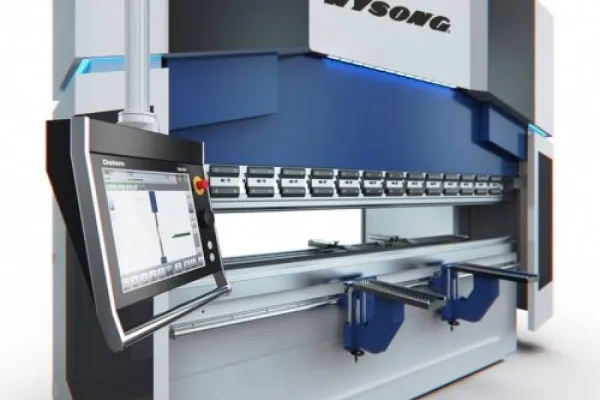
Machines with Delem controls, Wila crowning, and real-time diagnostics aren’t just bells and whistles—they’re weapons in the war for top-tier talent. If your machines help your operators win, they’ll stick around. Simple.
What Support Actually Means
The machines are important—but the people behind them matter more.
At Wysong, we’ve taken over service for more orphaned machines than we care to count. Why? Because the manufacturer vanished after the sale, or the “dealer” couldn’t troubleshoot a flashlight.
True support means:
- You can call someone and get a response within 24 hours
- Your tech doesn’t have to fly in from another continent
- You’re not stuck translating error codes from broken English manuals
Support is peace of mind—and you shouldn’t have to beg for it.
5 Questions to Ask Before You Buy Your Next Press Brake
- How accurate is the back gauge, and how do you verify it?
- Is safety—like laser guarding or light curtains—standard or an upgrade?
- What controls are offered, and are they truly operator-friendly?
- Can you get parts, service, and support in under 48 hours?
- What’s the reputation of the brand in U.S. shops?
If your machine rep dodges these questions, you just saved yourself a bad investment.
Final Word: Be the Shop That Buys Smart
Fabricators are builders. Creators. Craftsmen. Don’t let short-term savings sabotage long-term success. When you buy better, you:
- Deliver better parts
- Keep your best operators
- Avoid downtime
- And earn more in the long run
That’s why the best shops aren’t chasing cheap machines.
They’re chasing better ones.
And they’re not looking back.