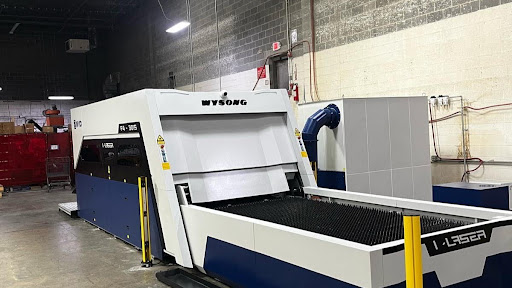
The U.S. manufacturing industry has increasingly embraced fiber laser technology for its speed, precision, and efficiency in metal fabrication. Whether cutting, welding, or engraving, fiber lasers have become a backbone of modern industrial operations. However, many in the industry are unaware that these high-powered machines fall under specific FDA regulations—a fact that can significantly impact manufacturers and buyers alike.
Understanding the FDA’s Role in Fiber Laser Regulation
When discussing regulations in the industrial sector, the Food and Drug Administration (FDA) is not the first agency that comes to mind. However, the FDA’s Center for Devices and Radiological Health (CDRH) is responsible for overseeing laser emissions and safety standards across all laser-based products sold in the United States.
Under 21 CFR 1040.10 and 1040.11, the FDA regulates laser radiation emissions to ensure safety for both operators and bystanders. This is particularly relevant for Class IV fiber lasers, which are commonly used in industrial metal fabrication due to their high power output and ability to cut through thick materials like stainless steel, aluminum, and titanium.
How the FDA Regulates Fiber Lasers
The primary concern of the FDA is laser safety—specifically, how fiber laser machines are designed to prevent accidental exposure to harmful radiation. To comply with FDA regulations, laser manufacturers must:
Classify their laser systems based on power and potential exposure risks (Class I to Class IV).
Implement proper safety features, including interlocks, beam enclosures, and emergency stop mechanisms.
Label machines with appropriate warnings and safety instructions to minimize exposure risks.
Certify their laser products and submit reports to the FDA before selling them in the U.S.
For fiber laser manufacturers, non-compliance can lead to import restrictions, recalls, or legal actions. Those purchasing imported machines must ensure they are properly certified before integrating them into production lines.
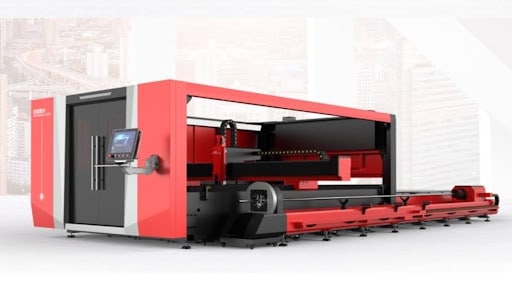
What This Means for Metal Fabricators
While manufacturers are directly responsible for ensuring that their fiber lasers comply with FDA laser safety standards, metal fabricators and shop owners also bear responsibility for workplace safety. This is where other regulatory bodies, such as OSHA (Occupational Safety and Health Administration) and ANSI (American National Standards Institute), come into play.
OSHA Regulation & Workplace Safety: OSHA enforces safety measures in industrial environments, often referencing ANSI Z136.1, which provides laser safety guidelines for workplaces.
Laser Operator Training & PPE: Employers are required to ensure that workers handling fiber lasers receive proper training and use personal protective equipment (PPE), such as safety glasses rated for specific laser wavelengths.
Facility & Environmental Safety: Shops using fiber lasers must have designated laser-safe zones, proper ventilation systems, and fire safety protocols, as high-powered lasers can ignite flammable materials.
Challenges & Compliance Issues
Despite the clear regulations in place, some challenges remain:
1. Importing Non-Compliant Machines: Many overseas manufacturers sell fiber lasers that do not meet FDA standards, often at lower prices. U.S. buyers must verify compliance before making purchases.
2. Lack of Awareness Among Fabricators: Many small and mid-sized fabrication shops are unaware of FDA oversight and may unknowingly operate uncertified or improperly labeled laser systems.
3. Evolving Safety Standards: As laser technology advances, regulations continue to evolve. Staying up to date with FDA, OSHA, and ANSI guidelines is essential for long-term compliance.
The Future of Fiber Laser Regulation
With the growing adoption of fiber lasers in industries ranging from automotive and aerospace to shipbuilding and defense, regulatory scrutiny is expected to increase. The FDA may introduce stricter safety measures to ensure that fiber lasers remain safe for industrial use.
Meanwhile, the demand for automation and robotics in laser cutting is also rising, which introduces new safety concerns. As AI-driven lasers and remote operation technologies become more common, updated safety frameworks will be needed to address these emerging risks.
Conclusion: Compliance is Not Optional
For manufacturers, metal fabricators, and industrial buyers, understanding FDA regulations on fiber lasers is crucial. Ensuring compliance not only prevents legal risks but also enhances workplace safety, protecting workers from potential laser hazards.
Whether you’re purchasing a new fiber laser system, integrating an existing one into production, or importing machines from abroad, it’s essential to verify compliance with FDA laser safety standards, OSHA workplace requirements, and ANSI best practices.
By staying ahead of regulations and prioritizing operator safety, the metal fabrication industry can continue leveraging fiber laser technology for precision, efficiency, and innovation—without unnecessary risk.