Press brakes are the backbone of metal fabrication shops, delivering precision and power with every bend. But like any industrial equipment, they can occasionally encounter issues that slow production or impact quality. Here’s a comprehensive troubleshooting guide to help you identify, understand, and resolve common press brake problems.
Understanding Press Brake Operations
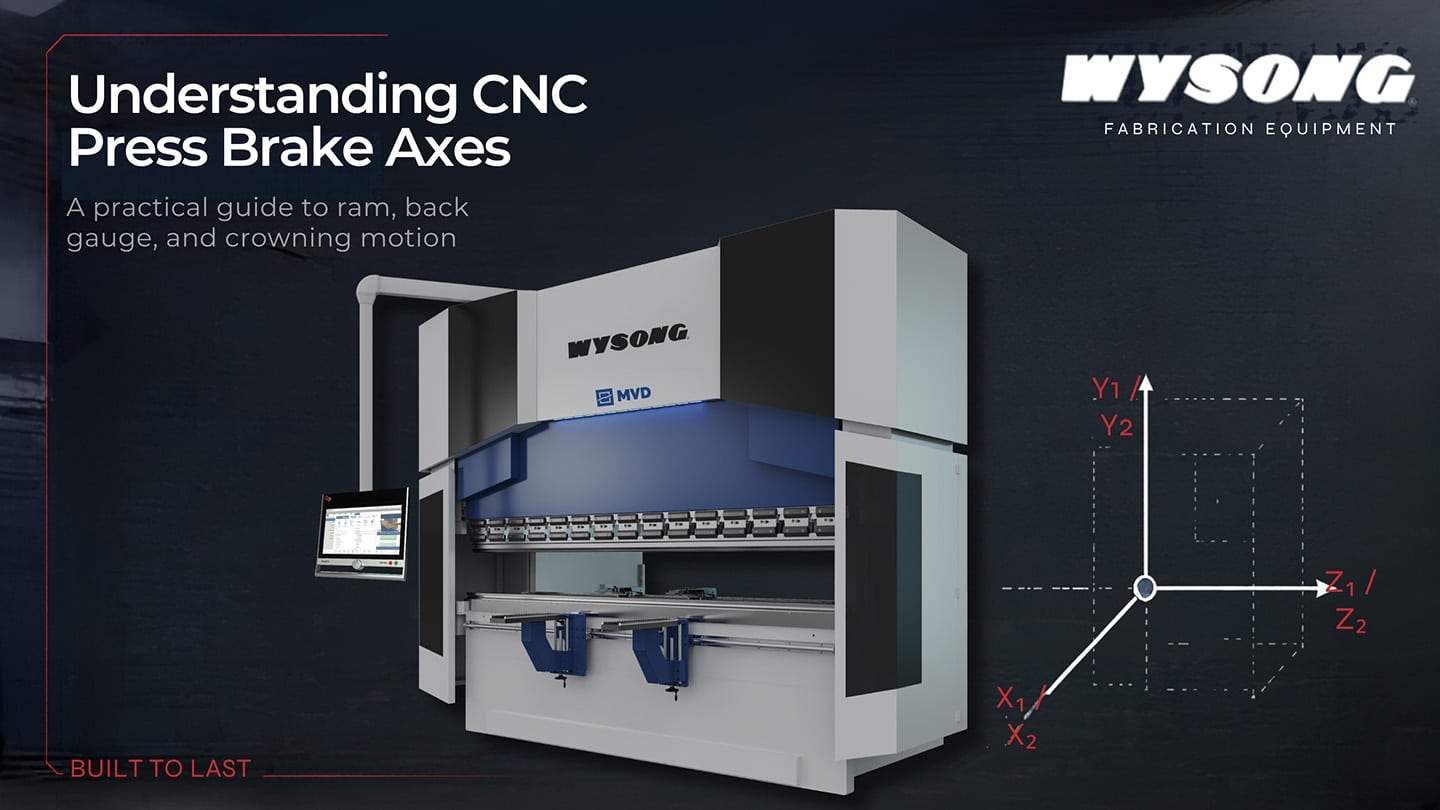
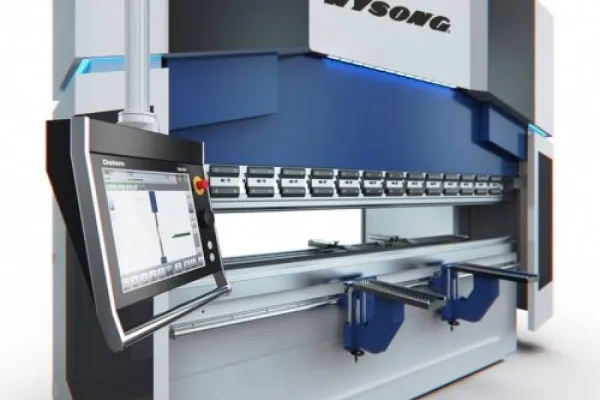
Before diving into troubleshooting, it’s essential to understand the core components and operations of a press brake. Press brakes work by applying force through a ram to bend metal along a predetermined line. Key elements include:
- Ram: Moves vertically to apply force.
- Back Gauge: Positions material for accurate bends.
- Tooling: Includes punches and dies that shape the metal.
- Hydraulic or Mechanical System: Powers the ram’s movement.
- Control System: Manages machine settings and programming.
Understanding these components can make diagnosing issues more intuitive.
1. Inconsistent Bends
Symptoms: Bends are not uniform across the workpiece, or angles vary from one piece to the next.
Potential Causes:
- Uneven material thickness
- Incorrect or worn tooling
- Improperly calibrated crowning system
- Incorrect programming parameters
Solutions:
- Inspect material for consistency; variations in thickness can affect bend angles.
- Check tooling for wear, damage, or improper installation.
- Verify and adjust CNC crowning settings (Wila CNC Crowning on Wysong machines ensures precision when properly calibrated).
- Revisit control settings to ensure bend angles and back gauge distances are correctly programmed.
Pro Tip: Run a test bend with a known sample piece to rule out material inconsistencies. Consider using high-quality tooling and regularly inspecting it to maintain accuracy.
Advanced Insight:
Crowning adjustments are critical, especially for long bends. Machines with CNC crowning automatically adjust to compensate for material deformation, but manual adjustments may be needed on older models.
2. Machine Won’t Reach Full Tonnage
Symptoms: The machine fails to achieve the programmed tonnage, leading to incomplete or weak bends.
Potential Causes:
- Hydraulic pressure too low
- Worn seals or hydraulic leaks
- Incorrect tonnage settings in the control system
- Air trapped in the hydraulic lines
Solutions:
- Check hydraulic pressure and adjust as needed.
- Inspect cylinders, seals, and hoses for leaks; replace worn components.
- Verify tonnage settings via the Delem 66S or 69S control interface.
- Bleed the hydraulic system to remove trapped air.
Pro Tip: Preventive maintenance can catch small hydraulic issues before they cause significant downtime. Schedule routine inspections to monitor system integrity.
Advanced Insight:
Hydraulic systems require consistent monitoring. Contaminants like dirt or moisture can degrade hydraulic oil, reducing system efficiency and causing performance issues.
3. Misaligned Back Gauge
Symptoms: Inconsistent flange lengths or off-center bends.
Potential Causes:
- Mechanical wear on back gauge components
- Incorrect calibration
- Obstructions or debris in back gauge tracks
- Software configuration errors
Solutions:
- Clean and inspect back gauge tracks regularly.
- Recalibrate the back gauge through the control system.
- Check for wear on the rack-and-pinion system (like the heavy-duty Mitsubishi-driven back gauge in Wysong models).
- Review software settings to ensure accuracy.
Pro Tip: Regularly clean and lubricate the back gauge to maintain accuracy. Even small amounts of debris can impact precision.
Advanced Insight:
Modern CNC back gauges use servo motors and precise linear encoders to achieve high accuracy. If discrepancies persist, consider upgrading to more advanced systems like the PC800.
4. Slow or Jerky Ram Movement
Symptoms: The ram moves unevenly or operates slower than expected.
Potential Causes:
- Air in the hydraulic system
- Dirty or low hydraulic fluid
- Malfunctioning proportional valve
- Worn or damaged hydraulic pumps
Solutions:
- Bleed air from the hydraulic lines.
- Replace or refill hydraulic fluid (use manufacturer-recommended oil).
- Inspect and clean the proportional valve.
- Check hydraulic pumps for wear and efficiency.
Pro Tip: Ensure hydraulic fluid is replaced on schedule to maintain consistent performance.
Advanced Insight:
Hydraulic press brakes rely on consistent fluid pressure for smooth motion. Variations in temperature can alter hydraulic fluid viscosity, affecting performance.
5. Control System Errors
Symptoms: Error messages on the Delem control or unexpected behavior during operation.
Potential Causes:
- Software glitches or incorrect parameters
- Faulty sensors or scales
- Electrical connection issues
- Incompatible or outdated firmware
Solutions:
- Reboot the control system and verify settings.
- Inspect Givi Scales and other sensors for damage or dirt.
- Check connections and wiring for looseness or corrosion.
- Update firmware and control software as recommended.
Pro Tip: Update control software periodically to access the latest performance and safety features.
Advanced Insight:
CNC control systems like the Delem 66S and 69S integrate multiple sensors for precision bending. Ensuring these sensors are clean and calibrated maintains machine reliability.
6. Excessive Noise or Vibrations
Symptoms: Unusual sounds or vibrations during operation.
Potential Causes:
- Loose mechanical components
- Air in hydraulic lines
- Worn bearings or bushings
- Misalignment of tooling or ram
Solutions:
- Inspect and tighten bolts and fittings.
- Bleed hydraulic lines to remove trapped air.
- Replace worn bearings or bushings.
- Verify tooling alignment and correct as necessary.
Pro Tip: Abnormal vibrations can indicate deeper structural issues. Investigate persistent noises promptly.
Advanced Insight:
Press brakes operate under high force, and mechanical vibrations can lead to fatigue in structural components over time. Regular inspections help prevent long-term damage.
Preventive Maintenance Tips
- Hydraulic System Checks: Monitor oil levels, change filters, and test pressure regularly.
- Tooling Inspections: Look for wear and damage in punches and dies; ensure proper installation.
- Back Gauge Calibration: Calibrate the back gauge periodically to maintain accuracy.
- Sensor and Scale Maintenance: Clean and recalibrate sensors like Givi Scales.
- Software Updates: Keep control system firmware up to date for improved functionality and bug fixes.
- Operator Training: Train operators to identify early warning signs of machine issues.
A well-maintained press brake keeps your shop running smoothly, ensuring accurate, efficient, and safe operation. Wysong machines, equipped with high-quality components like Delem controls, Givi scales, and Wila CNC crowning, are designed for reliability—but even the best equipment benefits from proactive care.
Need help troubleshooting or maintaining your press brake? Contact Wysong Fabrication Equipment for expert assistance and preventive maintenance consultations.